Activated
Carbon
Filtration
Activated carbon filtration removes selected vapour-phase contaminants from air and industrial gas streams through adsorption. Oranjeberg helps select suitable systems to reduce unwanted organic compounds and support the gas quality required by downstream equipment and processes.
Oranjeberg works directly with Cleanova to coordinate activated carbon filtration for industrial applications. We help assess the target contaminants, operating conditions and replacement requirements to identify an appropriate adsorption system for your installation.
How activated carbon works
Activated carbon has a porous structure with a large internal surface area. As gas passes through the media, suitable contaminants are adsorbed onto this surface. This provides a treatment stage for selected vapours that particulate filters and gas coalescers do not remove.
Performance depends on the contaminant, carbon type, contact time and operating conditions. Adsorption capacity is finite: once the media becomes exhausted, contaminants can pass through. Replacement planning must therefore consider outlet quality and contaminant loading, rather than pressure drop alone.
Selection and replacement media
Selection starts with identifying the compounds to be removed, their inlet concentrations and the required outlet limits. Gas flow, pressure, temperature and humidity also influence the appropriate media and system size.
Pre-filtration may be required to protect the carbon from particles and liquid aerosols. Oranjeberg coordinates technical enquiries with Cleanova and helps identify suitable replacement media or elements for your existing system.
New project or replacement?
For a new installation, share your gas composition, flow, pressure, temperature and required outlet quality.
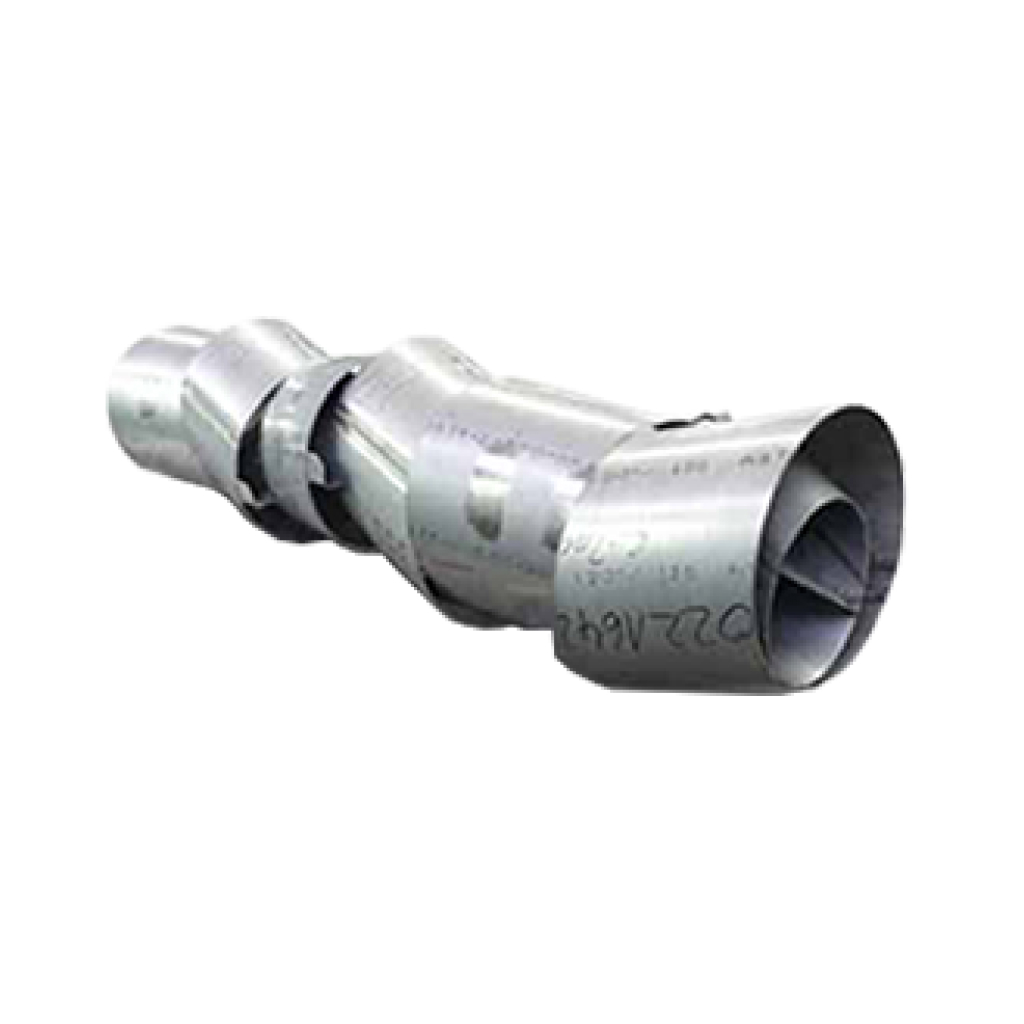
For an existing installation, send the manufacturer, model and part number, or a photograph of the nameplate. We will help identify the appropriate equipment or replacement parts.
Discuss your requirementsTarget contaminants beyond particles and droplets
Improve downstream gas quality
Reduce selected vapour-phase contaminants that pass through conventional particulate and coalescing filtration stages.
Make adsorption capacity count
Match the carbon media and contact time to your target contaminants, helping use the available adsorption capacity effectively.
Maintain treatment performance
Plan media replacement around contaminant loading and outlet quality to help prevent exhausted carbon from compromising your process.
How can we help?