Reliable RTO operation starts with the inlet gas
Explore how upstream contamination control supports reliable RTO operation, and what to review when selecting filtration for industrial exhaust gas.
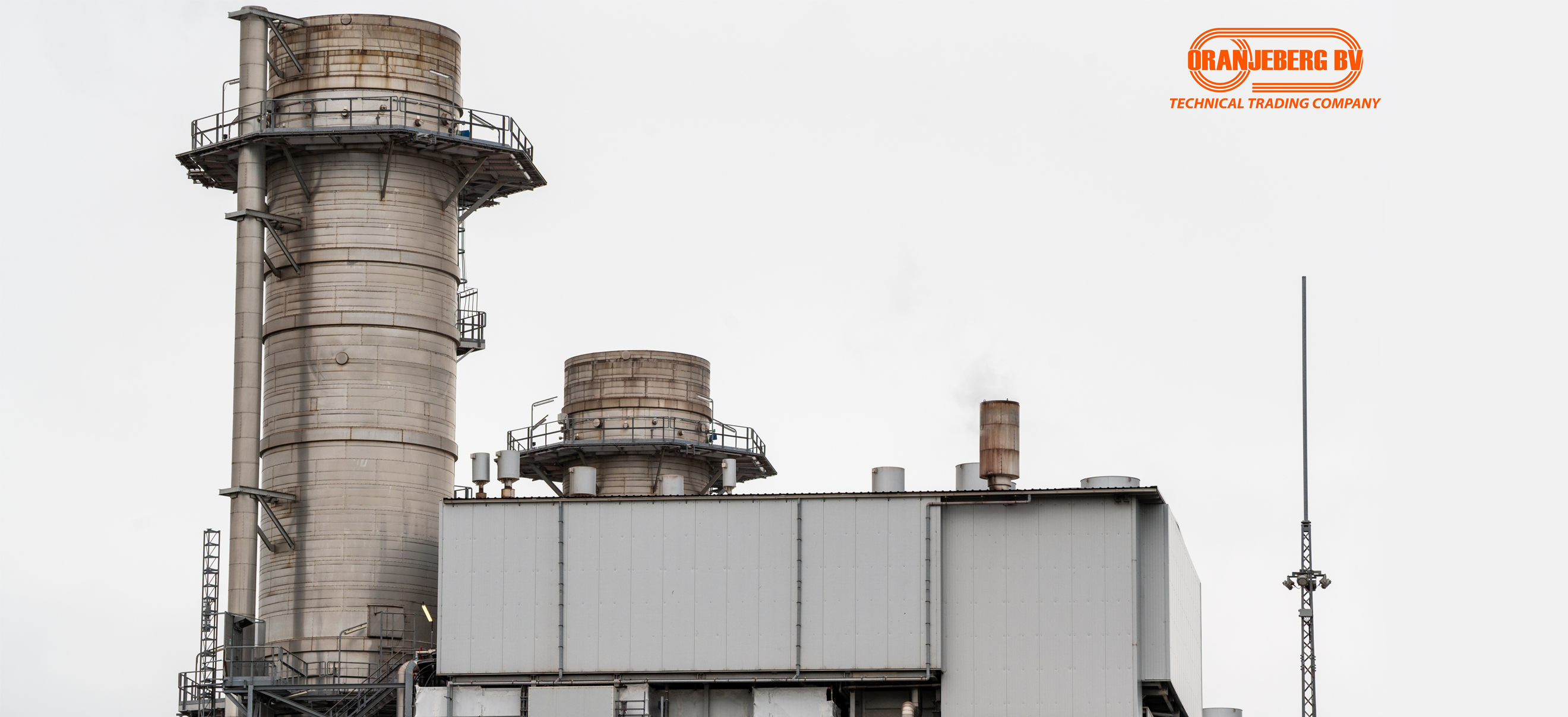

A regenerative thermal oxidiser (RTO) is a major part of an industrial emission control system. Its job is to oxidise volatile organic compounds in the exhaust stream, while recovering heat through ceramic beds. Reliable performance also depends on the conditions at its inlet.
That makes upstream contamination control an important part of the engineering discussion. Before choosing a filter, operators need to understand what the exhaust contains, how it changes during production and what the RTO is designed to accept.
Understand what reaches the system
Particles and entrained droplets require different treatment methods. Vapours introduce another consideration: a conventional particle filter does not remove gaseous VOCs, and a coalescer separates liquid droplets rather than vapour. Where condensation occurs, the location and operating temperature of the treatment equipment become particularly relevant.
The practical question is therefore more precise than “Does this RTO need a filter?” It is: which contaminants need to be controlled, in which physical form, and at which point in the exhaust system?
Treat pretreatment and the RTO as one system
An RTO uses its ceramic beds to transfer heat between incoming and outgoing gas. Its manufacturer’s requirements for inlet conditions, plugging prevention and maintenance should guide the pretreatment design.
Adding filtration also adds flow resistance. A review should therefore consider the available fan pressure, the filter’s clean and loaded pressure drop, and how maintenance will be carried out. A pretreatment stage must protect the downstream process while remaining compatible with the required exhaust flow.
Start with the operating envelope
For an initial assessment, useful information includes minimum and maximum flow, gas temperature, contaminant composition, expected liquid loading and changes between production recipes. Existing pressure trends and maintenance records can help identify when problems occur.
Cleanova’s gas filtration expertise provides a relevant starting point for evaluating particulate and liquid separation. The final arrangement must be assessed against the actual exhaust chemistry and agreed with the RTO supplier.
Oranjeberg helps customers bring these process requirements into the filtration selection discussion. Addressing inlet conditions early makes it easier to specify a coherent emission control system and plan its maintenance.
Planning an RTO project or reviewing an existing installation? Get in touch with Oranjeberg to discuss the upstream filtration requirements.
Explore related solutions: Gas Filtration · Process Industry.
Further reading: Cleanova gas filtration.