Compressor and blower protection starts upstream
Discover why compressor and blower protection starts upstream, with filtration selected for the contamination, flow and conditions of the application.
A compressor or blower can only be assessed properly in the context of the system around it. The incoming stream matters: contamination that enters upstream can affect the machine and continue into downstream pipework and equipment.
An earlier Oranjeberg LinkedIn post highlighted a Dollinger filtration upgrade following excessive dirt accumulation and repeated blower failures. The broader lesson remains relevant: when rotating equipment repeatedly needs attention, its upstream filtration deserves investigation too.
Atmospheric air and process gas are different duties
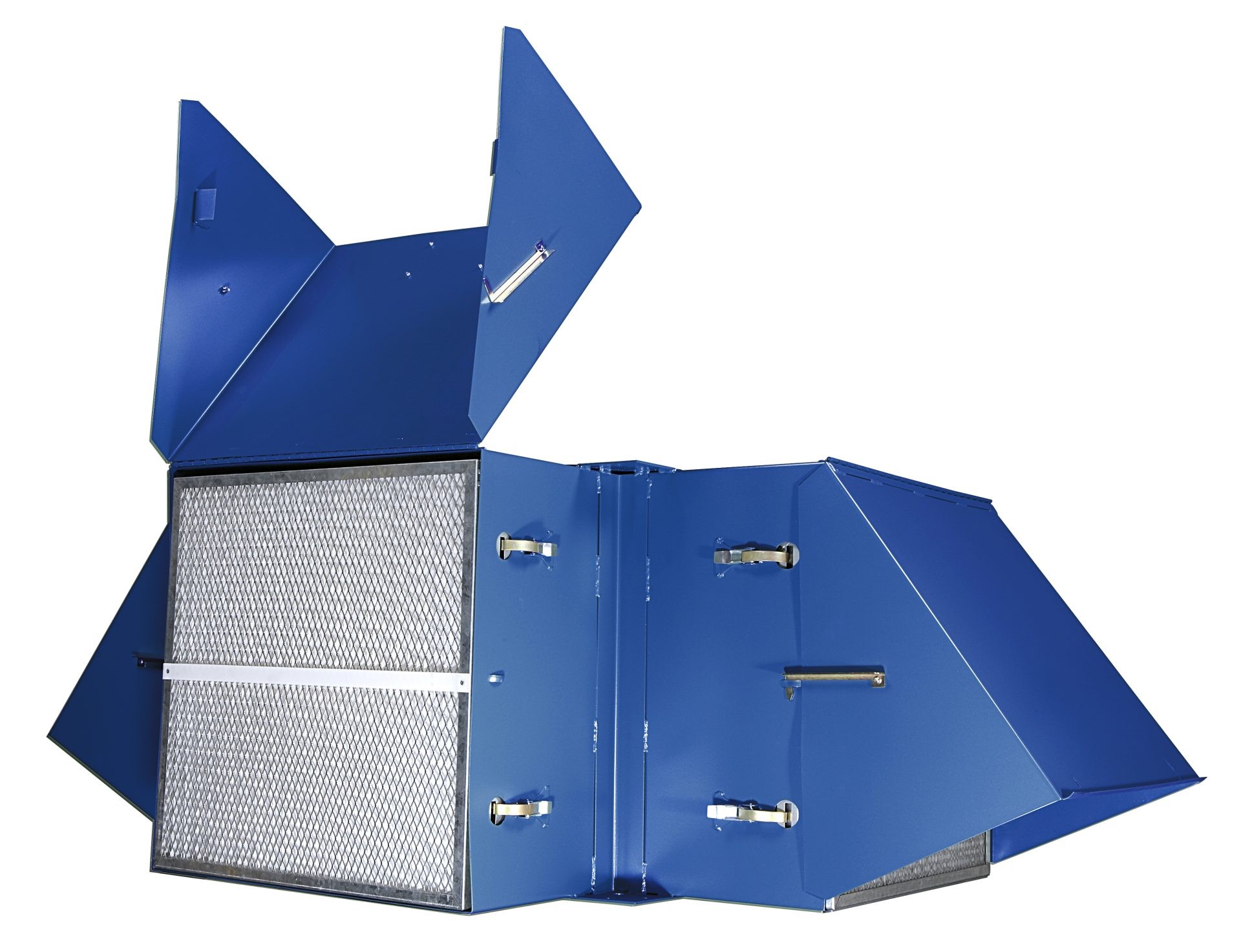
For an atmospheric air intake, the assessment starts with the local environment. Dust, soot, weather exposure and nearby industrial activities can influence the contamination reaching the filter. Cleanova’s Dollinger air intake literature describes how ineffective filtration can contribute to erosion, corrosion and fouling of rotating equipment.
Process-gas applications require a different assessment. Entrained liquids and solids may occur together, with conditions changing as the gas moves through the process. A particulate filter and a gas-liquid coalescer have different roles; selection should follow the actual contamination profile.
Look beyond the element rating
A micron rating alone does not describe the complete installation. Flow conditions, pressure loss, housing design and the condition of the assembled system all belong in the review.
For existing equipment, it is useful to compare the original design basis with today’s operation. Has throughput changed? Are contaminants different? Do problems coincide with a particular operating mode? These questions help establish whether repeated replacement is addressing the underlying cause.
“Intake contamination and process-gas carryover create different challenges. Protecting rotating equipment starts with understanding the stream entering it.”
Use evidence from the operating plant
Cleanova has published an example in which on-site analysis of a recycled gas stream revealed smaller particles and more liquid contamination than the original filtration arrangement adequately handled. The recommendation involved changes to the filtration stages rather than a simple like-for-like element replacement.
For operators, this suggests a practical starting point: bring maintenance history, filter specifications and available process data into the same discussion. Where the contamination remains uncertain, ask whether sampling or further analysis is needed before selecting a replacement system.
Oranjeberg works with customers and Cleanova to review filtration requirements for compressors, blowers and associated process equipment. The aim is to match the protection to the duty the machine actually performs.
Experiencing short filter life or recurring contamination problems? Get in touch with Oranjeberg to review the application and available operating data.
Explore related solutions: Air Intake Filtration · Gas Filtration.
Further reading: Cleanova’s filtration selection guidance.